💊 NSAIDs vs. Natural Recovery: Why College Athletes Should Rethink Ibuprofen

💊 NSAIDs vs. Natural Recovery: Why College Athletes Should Rethink Ibuprofen
Walk into almost any college locker room and you will find a bottle of “Vitamin I” — ibuprofen. Medications like naproxen and aspirin are the unofficial fuel of collegiate sports, used to manage soreness, mask aches, and grind through grueling training schedules.
For many athletes, NSAIDs (Non-Steroidal Anti-Inflammatory Drugs) feel as harmless as a protein shake. But emerging sports science suggests frequent use doesn't just carry health risks — it may actually stall muscle growth and long-term performance.
Understanding the “NSAID trap” is the first step toward building a recovery routine that actually improves performance.
📊 The Reality: How Common is NSAID Use?
The data on collegiate athletics is startling. For many, the habit begins long before they reach campus:
- 95%–96% of collegiate football players report current or past NSAID use.
- 1 in 4 female athletes and 1 in 5 male athletes use NSAIDs consistently during the competitive season.
- Nearly 50% report starting as early as junior high.
When “playing through pain” becomes culture, NSAIDs stop being a medical tool and start becoming a daily routine.

🧬 The “Blunting” Effect: Are NSAIDs Killing Your Gains?
Inflammation has a bad reputation, but in training, it is essential. When you lift weights or sprint, you create micro-trauma in muscle fibers. The resulting inflammation acts as a chemical signal telling your body to repair and grow stronger.
High-dose NSAID use may interfere with this process by suppressing COX enzymes involved in muscle protein synthesis.
The Science of Stalled Growth:
- Blunted muscle hypertrophy (growth)
- Reduced long-term strength adaptation
- Masked injury signals that normally indicate needed rest
Finishing the workout isn’t the same as maximizing the adaptation.
⚖️ Comparison: NSAIDs vs. Functional Recovery
| Feature | NSAIDs (Ibuprofen / Naproxen) | Functional Recovery (Pain Punch) |
|---|---|---|
| Primary Action | Blocks inflammatory enzymes (COX-1 / COX-2) | Supports a healthy inflammatory response |
| Muscle Adaptation | May blunt protein synthesis & growth | Preserves training adaptations |
| Long-Term Use | Risk of GI irritation and kidney strain | Designed for daily nutritional support |
| Best Used For | Acute, doctor-diagnosed injuries | Daily training recovery & soreness management |

🩺 A Physician-Formulated Alternative: The Pain Punch Approach
Recovery should not begin with suppressing pain — it should begin with fueling repair.
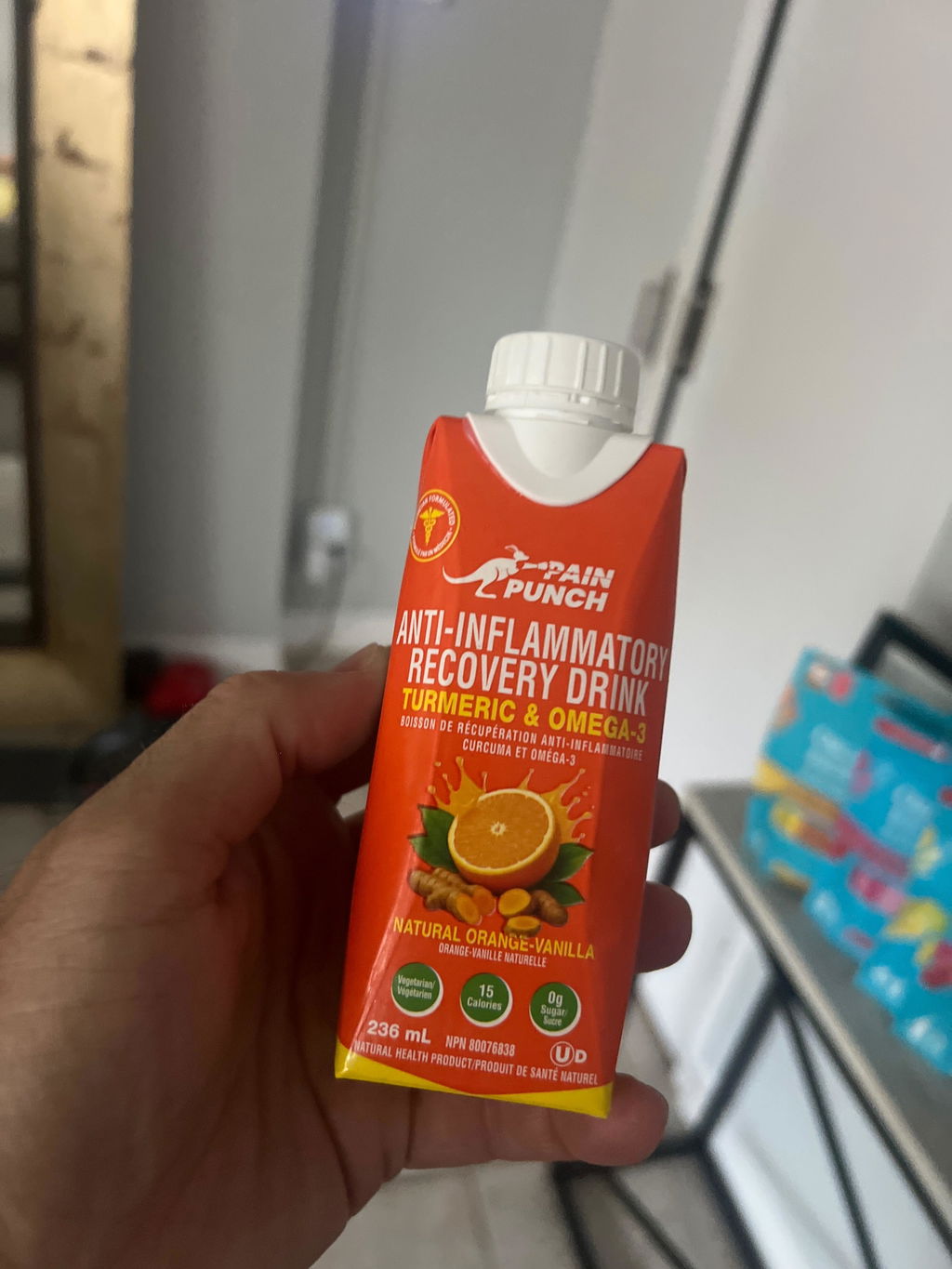
Pain Punch was developed as a physician-formulated, food-based recovery solution. Instead of shutting down inflammation completely, it supports the body’s natural recovery pathways.
With functional ingredients like turmeric-derived curcumin, plant-based omega-3s, and essential vitamins, Pain Punch helps athletes build smarter routines — without interfering with muscle adaptation.
It’s designed to fit into real training schedules, offering a professional-grade option that protects long-term gains.
🔄 Rethinking the “Play Through Pain” Mindset
NSAIDs absolutely have a place in sports medicine — particularly for acute injuries under medical supervision. The risk arises when they become preventative or habitual.
A high-performance recovery model focuses on:
- Load Management: Distinguishing productive soreness from harmful pain.
- Strategic Nutrition: Using food-based anti-inflammatory support daily.
- Sleep & Hydration: The foundational pillars of cellular repair.
🏁 The Takeaway
Your recovery should be as intentional as your training.
Masking pain may help you survive the session. Fueling recovery helps you improve from it.
By shifting away from a medication-first mindset, collegiate athletes can protect their long-term health while maximizing strength, growth, and performance.